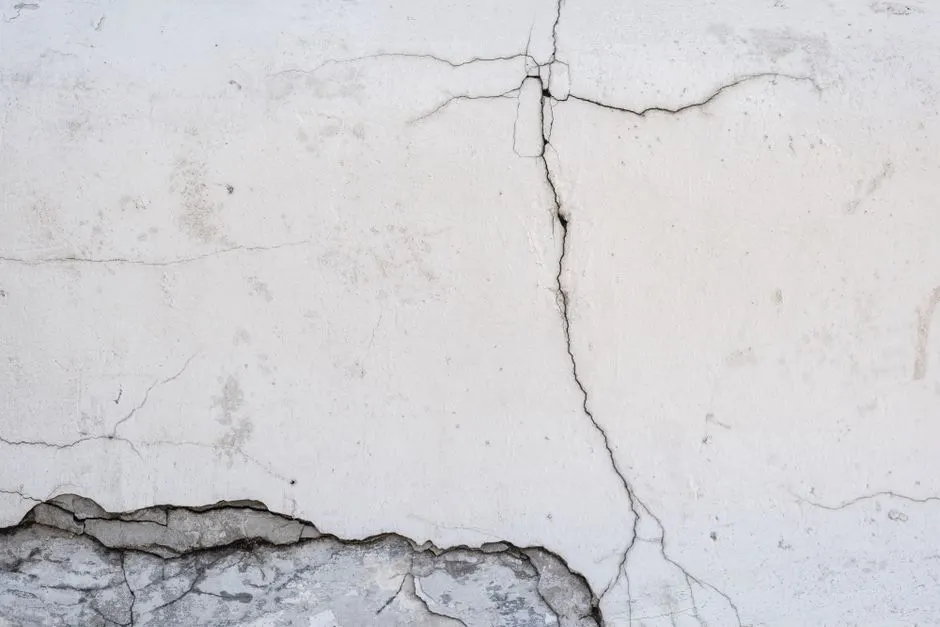
Your concrete driveway in Clairemont is cracking because the soil under it moved, the slab was poured too thin, water pooled against the edge, or a tree root pushed up from below. Those four causes account for almost every driveway crack we see in this part of San Diego, and each one needs a different fix. The rest of this post walks through how to identify which one you're dealing with, what repair actually costs in 2026, and when a crack is cosmetic versus structural.
Why is my concrete driveway cracking in Clairemont is a question we get almost weekly, and the honest answer is that Clairemont's soil and climate make driveways work harder than they do in most of the country. The ground here expands and contracts with our wet winters and dry summers, and a slab that wasn't built for that movement will crack within a few years.
The short answer: what actually cracks a Clairemont driveway
Concrete driveway cracking in Clairemont is the result of the slab being asked to span ground that is no longer flat underneath it. Concrete is strong in compression but weak in tension - it can hold up a car, but it cannot stretch. When the soil beneath it settles, heaves, or erodes, the slab either bends and cracks or breaks clean through.
Here's the breakdown of what we actually find when we pull up a cracked driveway in this area:
- Soil movement (expansive clay): roughly 60% of the cracks we diagnose
- Tree and shrub roots: about 20%
- Poor drainage or no subgrade prep: about 15%
- Slab poured too thin or without control joints: the remaining 5%
If you want the full picture of how a driveway should be built here so it doesn't crack in the first place, that's covered on our concrete driveway pouring Clairemont page. For now, let's get to why yours is cracking.
Why does my concrete driveway crack in Clairemont California?
Clairemont sits on a mix of expansive clay soils and older decomposed granite, and both behave differently under a driveway slab. The clay swells when it gets wet and shrinks when it dries - and Clairemont gets both extremes. Our wet season dumps most of its rain between December and March, then we go five or six months with almost nothing.
That cycle is the single biggest driver of Clairemont driveway cracking causes. A slab poured directly on clay without a proper base will lift in February and drop in August. Do that for three or four years and the concrete gives.
Soil and grading issues specific to Clairemont
Most Clairemont homes were built between the 1950s and 1970s, and many driveways were poured at the same time. That means you're often looking at a 50-year-old slab on soil that has moved hundreds of times. Older neighborhoods like North Clairemont Concrete Contractor territory frequently have driveways that were poured before modern subgrade compaction standards existed.
We also see a lot of driveways that slope toward the house instead of away from it. Water pools at the garage door, seeps under the slab, and softens the soil at the worst possible spot. That's a grading problem, not a concrete problem, and it will crack a new driveway too if you don't fix it first.
Tree roots
Ficus, eucalyptus, and mature pepper trees are common in Clairemont yards, and their roots run shallow and wide. A root the thickness of your wrist can lift a slab edge by half an inch over a couple of seasons. You'll see this as a crack that runs parallel to the driveway edge, often with the slab visibly raised on one side.
Heat and thermal expansion
Clairemont summers push surface temperatures on a dark driveway past 140°F. Concrete expands when it's hot and contracts when it cools, and if the slab doesn't have control joints cut at the right spacing - typically every 8 to 10 feet - it will crack wherever it wants instead of where you planned.
How to tell which crack you're looking at
Not every crack means the same thing, and the width and direction tell you most of what you need to know. Here's how we read them:
- Hairline cracks under 1/16 inch: usually shrinkage cracks. Cosmetic. Seal them and move on.
- Cracks 1/8 to 1/4 inch wide running across the slab: typically settlement or a missing control joint. Repairable with crack filling.
- Cracks wider than 1/4 inch, or with vertical displacement (one side higher): structural. The subgrade has failed or a root is lifting the slab.
- Cracks that run diagonally from a corner: almost always a corner that wasn't supported properly. Common on driveways poured without thickened edges.
- Map cracking (a web of small cracks): usually a bad mix, too much water in the pour, or a slab that was finished too early.
If the two sides of the crack are level with each other, you're usually looking at a repair you can schedule at your convenience. If one side is higher, water is getting in and the problem is getting worse every rainy season.
How much does concrete driveway crack repair cost in Clairemont?
Typical 2026 pricing in this area runs $250 to $600 for sealing hairline and moderate cracks on a standard two-car driveway, $800 to $2,500 for sectional replacement where a slab panel is removed and repoured, and $4,500 to $9,000 for a full driveway replacement if the subgrade has failed across the whole slab.
Those numbers depend on a few things:
- Linear feet of cracking. A 20-foot crack and a 90-foot crack are not the same job.
- Whether the slab needs to come out. Crack filling is fast. Sectional replacement means demolition, hauling, re-compaction, and a new pour.
- Root removal. If a tree root is the cause, someone has to cut and remove it - and sometimes that means a stump grinder and a conversation about the tree.
- Drainage correction. If water is pooling against the slab, fixing the crack without fixing the drainage is throwing money away.
We quote the whole job upfront before we touch anything, so you know what you're paying before work starts. If you want to see what a proper repair looks like, our driveway crack repair Clairemont page walks through the process.
How to fix concrete driveway cracks in Clairemont
How to fix concrete driveway cracks in Clairemont depends entirely on what caused them. Patching a crack that's being pushed open by a root is a waste of a Saturday. Here's the order we work in:
Step 1: Diagnose the cause
Before any repair, we figure out why the crack exists. Is the soil moving? Is there a root? Is water getting under the slab? If you skip this step, the crack comes back - usually within one wet season.
Step 2: Fix the underlying problem
That might mean cutting a root, regrading the soil so water runs away from the slab, or adding a French drain along the driveway edge. Concrete work on top of an unfixed cause is temporary.
Step 3: Repair the concrete
For hairline and moderate cracks, we clean the crack out, fill it with a flexible polyurethane sealant rated for exterior slabs, and tool it flush. For structural cracks or displaced panels, we remove the affected section, re-compact the base, and pour new concrete that matches the existing slab.
Step 4: Seal the surface
A penetrating sealer slows water absorption and buys you years on the rest of the slab. We recommend resealing every 3 to 5 years in this climate. You can read more about that on our concrete waterproofing Clairemont page.
Common mistakes we see on Clairemont driveways
The same handful of mistakes show up on Clairemont driveways over and over, and every one of them is preventable. Here's what to watch out for:
- Filling cracks with plain mortar or hydraulic cement. It's rigid. The slab moves, the mortar doesn't, and the crack reopens within a year. Flexible sealant is the right material for exterior slabs.
- Patching over a root without cutting it. The root keeps growing and pushes the patch out.
- Ignoring drainage. If water still pools at the edge of the slab, you'll be repairing the same crack next spring.
- Pouring a new slab over the old one without addressing the base. Overlays have their place, but not over failed subgrade. If you're considering one, our concrete topping Clairemont page explains when it works and when it doesn't.
- Skipping control joints. A driveway without properly spaced joints will crack - just not where you want it to.
One more: don't pressure-wash a crack before you fill it and then leave it open for weeks. Water gets in, the soil underneath softens, and you've made the problem worse.
When to call a professional
Call a professional when a crack is wider than a quarter inch, when one side of the crack is higher than the other, when you can see the slab visibly sinking or lifting, or when cracks keep coming back after you've sealed them yourself.
Those are the signs that the problem is under the slab, not in it. At Concrete Contractor Clairemont, we diagnose the cause first, tell you honestly whether it's a repair or a replacement, and quote the whole job before we start. We work across Clairemont and the surrounding neighborhoods, and we've seen every version of this problem that this soil can produce.
If you're not sure whether your crack is cosmetic or structural, we'll come look at it and tell you straight. Sometimes the answer is a $300 crack fill. Sometimes it's a sectional replacement. We'd rather tell you the truth than sell you a driveway you don't need.
Frequently Asked Questions
Why is my concrete driveway cracking in Clairemont?
The most common cause is expansive clay soil that swells in our wet winters and shrinks in our dry summers, cracking the slab from below. Tree roots, poor drainage, and slabs poured too thin are the other main culprits. A crack wider than 1/4 inch usually means the subgrade has failed.
How do I stop my concrete driveway from cracking in Clairemont?
You can't stop soil movement, but you can slow it down. Keep water away from the slab with proper grading and gutters, seal cracks as soon as they appear, and reseal the surface every 3 to 5 years. Cutting back trees whose roots run under the driveway helps too.
How much does concrete driveway crack repair cost in Clairemont?
In 2026, expect $250 to $600 for sealing hairline and moderate cracks on a two-car driveway, $800 to $2,500 for sectional replacement, and $4,500 to $9,000 for a full replacement. The price depends on crack length, whether the slab has to come out, and whether roots or drainage need fixing.
Can cracked concrete driveway be repaired in Clairemont California?
Yes, in almost every case. Hairline and moderate cracks are filled with flexible sealant. Displaced or structurally cracked panels are removed and repoured. Full replacement is only necessary when the subgrade has failed across the entire slab or the concrete is crumbling throughout.
How long does driveway crack repair take?
Crack sealing on a standard driveway takes 2 to 4 hours, and you can drive on it the next day. Sectional replacement takes 2 to 3 days including cure time. Full driveway replacement runs 4 to 7 days depending on size and weather.
Get help with Concrete Contractor in Clairemont
If your driveway is cracking and you want to know whether it's a $300 fix or a bigger job, we'll come out and tell you. We work across Clairemont and the surrounding neighborhoods, and we quote the whole job before we start.
Call us at +1 (844) 635-9999 to schedule a look at your driveway.