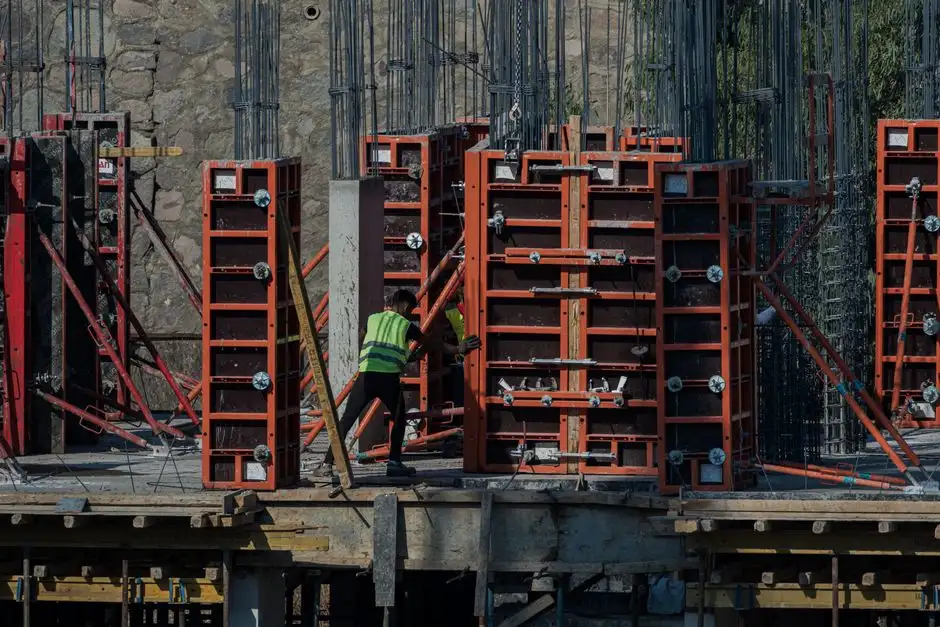
Layout and grade setting
We stake the footprint, run string lines, and check grade with a laser level. On sloped lots we calculate cut and fill so the finished slab sits at the right elevation and drains correctly.
Every formwork job we bid includes the labor, materials, and cleanup needed to get your concrete poured and finished. Here's what's covered in a standard quote, and what we handle as an add-on if your project needs it.
We stake the footprint, run string lines, and check grade with a laser level. On sloped lots we calculate cut and fill so the finished slab sits at the right elevation and drains correctly.
We cut and set form boards, stake them every 24 to 32 inches, and brace tall walls with kickers and walers. Forms are coated with release agent so they strip clean without tearing the concrete face.
We set rebar on chairs and lay wire mesh at the correct height so it ends up in the middle of the slab, not on the ground. This is what gives the concrete its tensile strength and keeps cracks from spreading.
We place concrete in lifts, vibrate it around rebar, and screed it flat. Then we float, edge, and apply the finish texture you chose, whether that's a broom finish, a smooth trowel, or a stamped pattern.
We pull forms 24 to 48 hours after the pour and haul away all lumber, stakes, and waste. You get a walkthrough of the finished work and curing instructions before we leave the site.
Concrete Formwork in Clairemont, California is the temporary structure of wood, steel, or aluminum that holds wet concrete in place until it cures. It sets the shape, the depth, and the edge line of everything you pour. Get the forms wrong and you get bulges, weak spots, and a slab that drains toward your house instead of away from it. We build forms with proper bracing, release agent, and rebar chairs so the pour lands exactly where the plans say it should.
Clairemont sits on clay-heavy soils and slopes that move with the seasons, so formwork here has to handle more than just the weight of concrete. We see a lot of older driveways and patios from the 1960s and 70s that cracked because the original forms were undersized or the subgrade wasn't compacted. If you're searching for concrete shuttering near me Clairemont, we set forms for driveways, patios, retaining walls, and foundations across the neighborhood.
Every job follows the same sequence. You'll know what's happening and when, from the first stake to the final strip.
Schedule
Call or book online — a real human picks up and confirms a 2-hour arrival window.
Diagnose
Licensed tech inspects on-site, then walks you through the cause and your options.
Fix
The job is completed to code and done right the first time — no shortcuts, no surprises.
Guarantee
Every job backed by a written workmanship warranty — and we stand behind it.
Laser level
We use a laser level to set grade and check slope before the pour. It's how we confirm a driveway falls 1/8 inch per foot toward the street instead of guessing.
Concrete vibrator
A vibrator removes air pockets from the concrete after it's placed. We run it around rebar and into corners where air tends to get trapped, which prevents honeycombing and weak spots.
Power trowel
For smooth finishes on garage floors and interior slabs, we run a power trowel after the concrete sets. It gives a hard, dense surface that resists wear and dusting.
Concrete saw
We use a Husqvarna concrete saw to cut control joints 24 hours after the pour. Control joints tell the concrete where to crack so the cracks stay straight and hidden.
Screed and float
A screed levels the concrete right after the pour, and a float works the surface to bring up the cream. These are the tools that give you a flat, even slab.
Dayton Superior form hardware
We use Dayton Superior stakes, brackets, and form ties because they hold up under the pressure of wet concrete. Cheap hardware is where blowouts come from.
ACI 301 formwork standards
We follow ACI 301 for form design, bracing, and removal. That means forms are built to handle the full weight of wet concrete plus the vibration and placement loads, and they're stripped only after the concrete reaches sufficient strength.
Rebar chairs and mesh placement
Rebar goes on chairs so it sits in the middle of the slab, not on the ground. Wire mesh gets pulled up during the pour. This is what gives concrete its tensile strength and keeps cracks from opening up.
Form release agent application
We coat forms with Euclid Chemical release agent before the pour. It keeps concrete from bonding to the form, which makes stripping easier and leaves a cleaner face with fewer bug holes.
Control joint layout
We cut control joints at 24 to 48 hours after the pour, spaced at roughly 2 to 3 times the slab thickness in feet. For a 4-inch slab, that's joints every 8 to 12 feet. This controls where cracks happen.
01
What we do: We form the new driveway to the right width and slope, add rebar on 16-inch centers, and pour at 4 inches thick. We check the slope with a laser level before the pour so water runs to the street.
→ A straight, level driveway that drains away from your garage and holds up to daily parking for decades.
02
What we do: We form and pour the wall to the engineer's specs, brace it for the lateral pressure of wet concrete, and add drainage behind it. Tall walls get a permit and an inspection before the pour.
→ A straight, structural wall that holds the slope and passes inspection on the first visit.
03
What we do: We set forms for footings and stem walls to exact depths, place anchor bolts and blockouts, and schedule the inspection before the pour. We pour in lifts to keep form pressure under control.
→ A code-compliant foundation that's square, level, and ready for framing.
04
What we do: We cut out the damaged section, check the subgrade for settling, and re-form the deck to match the existing finish. We tie the new concrete into the pool edge cleanly.
→ A safe, level pool deck that drains away from the water and matches the rest of the deck.
Clairemont's clay soil expands and contracts with moisture, which puts pressure on foundations and slabs. We account for that by compacting the base in lifts and using rebar or mesh in every slab we pour. The coastal marine layer also slows curing in the morning, so we adjust mix designs and cure times based on the season. In summer, we pour early to avoid the heat, and in winter we cover fresh concrete if rain is coming. If you're looking for concrete shuttering Clairemont homeowners trust, we've been setting forms here since 2017. Most of our work is in Clairemont Mesa, North Clairemont, and the Mount Streets, where older homes often need driveway and patio replacements. We also handle foundation formwork Clairemont California jobs for additions and ADUs. Permits come from the City of San Diego, and we schedule inspections before every structural pour.
Clairemont Mesa
Lots of 1960s tract homes with original driveways that are cracked and settling. We replace them with new formed slabs that drain correctly.
North Clairemont
Sloped yards are common here, so retaining wall formwork and drainage are big parts of our work in this neighborhood.
Mount Streets
Older homes with narrow driveways and mature trees. Tree roots can heave slabs, so we cut out and re-form damaged sections.
Clairemont Village
More commercial and multi-family properties, which means larger formwork jobs and tighter scheduling around business hours.
Expansive clay soil
Clay swells when wet and shrinks when dry, which moves slabs and foundations. We compact the base in lifts and reinforce every slab with rebar or mesh to resist that movement.
Coastal marine layer
Morning moisture slows concrete curing, especially in spring and early summer. We adjust mix designs and cure times so the concrete reaches full strength.
Summer heat
Temperatures over 85 degrees can cause concrete to set too fast and crack. We pour early in the morning and use admixtures to slow the set when needed.
Winter rain
Rain during the pour can wash out the surface and weaken the concrete. We watch the forecast and cover fresh concrete if rain is expected within 24 hours.
Most concrete failures we see in Clairemont trace back to formwork that was undersized, under-braced, or set on a base that wasn't compacted. Here are the problems we run into most often.
Problem
Water pools against the garage door and foundation, which leads to rot, efflorescence, and eventually a flooded garage during heavy rain.
Our Fix
We re-form the driveway with the correct fall, usually 1/8 inch per foot toward the street. We check the slope with a laser level before the pour so the finished surface drains the way it should.
Problem
A leaning wall can fail completely, dumping soil and debris into your yard. It's also a safety hazard if kids or pets play near it.
Our Fix
We form and pour a new wall with proper bracing and add drainage behind it. Most wall failures in Clairemont come from water pressure, not bad concrete, so we fix the drainage at the same time.
Problem
A blowout wastes concrete, creates a cold joint, and can leave the foundation wall with a weak spot that won't pass inspection.
Our Fix
We over-build bracing on foundation walls and use Dayton Superior form hardware rated for the pressure. We also pour in lifts instead of all at once, which keeps the pressure manageable.
Problem
Cracked patios are a trip hazard and a sign the base wasn't compacted. If the cracks are wide, water gets under the slab and makes the settling worse.
Our Fix
We cut out the damaged section, re-compact the base, and re-form the slab. If the whole patio is failing, we tear it out and pour new concrete with rebar and a properly compacted base.
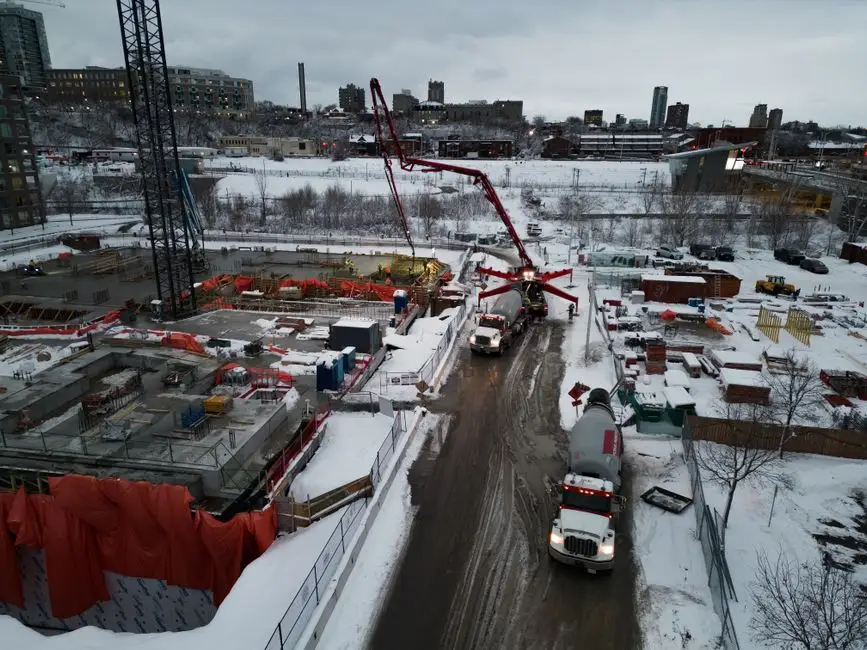
Good formwork is invisible in the finished product, but it's the reason the finished product lasts. Here's what you actually get when the forms are built right.
Straight edges, level surfaces
A form that's braced every 24 inches on center won't bow under the weight of a 4-inch slab. We use laser levels and string lines to set grade before we nail a single stake, so your finished surface drains correctly and looks clean from every angle.
No blowouts, no wasted concrete
A form blowout dumps a yard of concrete onto your yard and costs you a re-pour. We over-build bracing on tall walls and use form release agent so the panels strip clean. That saves you money on concrete and labor, and it keeps the job on schedule.
Correct depth and thickness
Foundation formwork Clairemont California jobs need exact depths for rebar coverage and code compliance. We set forms to the thickness the engineer specifies, whether that's a 4-inch patio slab or a 12-inch foundation wall, so the concrete cures at full design strength.
Cleaner stripping and finishing
Forms coated with Euclid Chemical release agent pull away without tearing the concrete face. That means less patching, fewer bug holes, and a surface that's ready for sealing or staining as soon as it cures. We strip forms 24 to 48 hours after the pour on most residential jobs.
Formwork pricing depends on square footage, wall height, site access, and whether rebar or post-tension cable is required. For typical 2026 residential work in Clairemont, expect $3 to $8 per square foot of concrete surface for the formwork portion. A standard driveway or patio job usually lands between $800 and $2,400 for the formwork, with the concrete and finishing priced separately. We give you a written quote before we start, so you know the full cost upfront.
Typical Investment Range
$800 - $2,400 for typical residential formwork, or $3 - $8 per square foot
Good formwork is what keeps your concrete from cracking, settling, or draining the wrong way. Fixing a failed pour costs two to three times more than doing it right the first time, so the upfront price is the cheaper option.
What changes the price
Square footage
More surface area means more form boards, stakes, and labor. A 400-square-foot patio takes about half the formwork time of an 800-square-foot driveway.
Wall height and bracing
Tall foundation walls and retaining walls need heavier bracing and more stakes. A 4-foot wall takes roughly twice the bracing of a flat slab on grade.
Site access
If a concrete truck can't get close to the pour, we may need a concrete pump, which adds cost. Tight backyards and steep slopes also slow down the form-building process.
Rebar and reinforcement
Rebar, wire mesh, and post-tension cable add material and labor cost. Most residential slabs use rebar or mesh, while structural foundations may require engineered reinforcement.
Permits and inspections
Structural work like foundations and retaining walls over 3 feet tall requires a City of San Diego permit and inspection. We handle the paperwork and schedule the inspection for you.
Google ★★★★★4.9
They formed and poured a new patio for us in Clairemont Mesa. The crew was on time, the price matched the quote, and the finished slab is perfectly level. They cleaned up everything when they left.
Yelp ★★★★★4.8
We needed a retaining wall and had gotten two other quotes that were vague about drainage. These guys explained exactly how they'd form the wall and handle water behind it. The wall passed inspection on the first try.
BBB ★★★★★4.9
I manage a few rental properties in Clairemont and use them for driveway and walkway repairs. They're easy to schedule, they show up when they say, and the work holds up. No callbacks so far.
We've been setting concrete forms in Clairemont since 2017, and we've poured everything from backyard patios to structural foundation walls. Our crew holds ACI certification and OSHA 30 training, and we work to California Building Code standards on every job. We know how Clairemont's clay soil and coastal moisture affect curing times, and we adjust mix designs and form bracing to match. When you hire us for concrete formwork services Clairemont CA, you get a crew that has already solved the problem you're calling about.
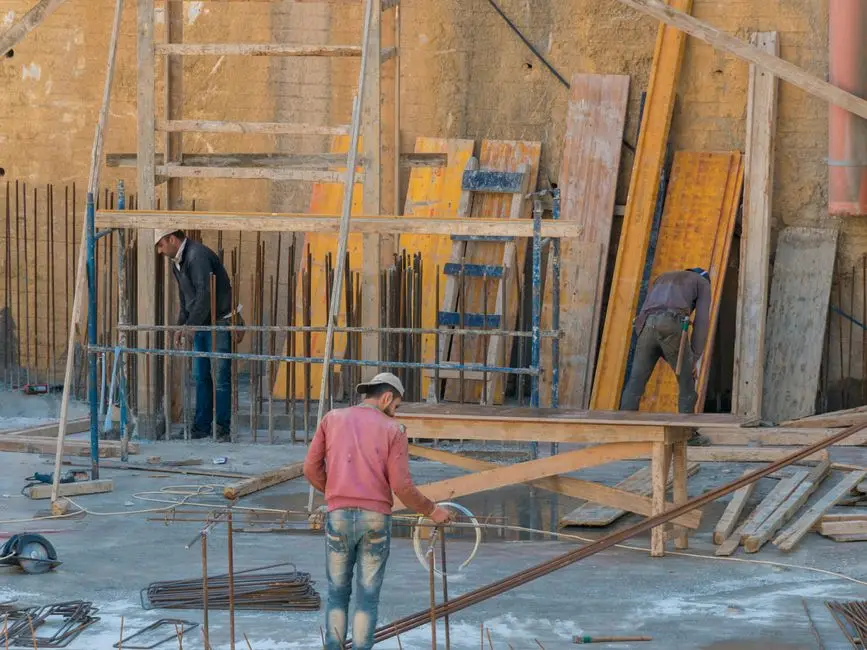
Real experiences from customers who chose our Concrete Formwork services.
“We had a 40-year-old driveway that was cracked and draining toward the garage. The crew from Concrete Contractor Clairemont set new forms, fixed the slope, and poured a 4-inch slab with rebar. It's been through two rainy seasons and still drains perfectly. They cleaned up every scrap of lumber when they left.”
Dave R.
Homeowner, Clairemont Mesa
“I needed a retaining wall at the back of my sloped yard. They formed and poured a 4-foot wall with proper bracing, and it came out dead straight. The inspector passed it on the first visit. They also added drainage behind the wall, which I didn't even ask for but definitely needed.”
Maria S.
Homeowner, North Clairemont
“I sub out formwork on my foundation jobs, and these guys are reliable. They show up when they say, set forms to the engineer's specs, and don't cut corners on bracing. I've used them on three projects in Clairemont and haven't had a single blowout or failed inspection.”
Tom K.
General Contractor, Kearny Mesa
Real answers to the questions we hear most often from local homeowners and property managers.
Every driveway starts with formwork. We set forms to the right width and slope so water runs to the street, not your garage. Most Clairemont driveways pour at 4 inches thick with rebar on 16-inch centers.
View Concrete Driveway InstallationIf a section of your driveway has settled or cracked, we can form and pour a replacement panel that matches the existing thickness and finish. This is faster and cheaper than a full tear-out when the base is still solid.
View Concrete Driveway RepairPatio forms need to account for drainage away from the house and any built-in features like fire pits or seat walls. We set forms with the right fall so rainwater moves off the slab instead of pooling against your foundation.
View Concrete Patio InstallationCracked or spalling patio sections can be cut out and re-formed. We match the existing finish and thickness so the repair blends in. On older Clairemont patios we often find the original base wasn't compacted, so we fix that before pouring.
View Concrete Patio RepairWalkway forms are narrower and often curved, which takes more stakes and a flexible forming approach. We set forms for the right width and slope so the path drains and meets code for public sidewalks.
View Concrete Walkway & Sidewalk InstallationTrip hazards and cracked walkway panels get cut out and re-formed. We match the existing width and finish, and we can add a broom texture for slip resistance on sloped sections.
View Concrete Walkway & Sidewalk RepairCall us at +18446359999 or email [email protected] to schedule an estimate. We answer the phone Monday through Friday from 8:00 AM to 6:00 PM and return after-hours messages the next morning. Most estimates in Clairemont are scheduled within a day or two, and we give you a firm price before any work begins.
Phone
+18446359999Address
Genesee Ave, San Diego, CA 92117, Clairemont, California
Hours
Mon–Fri: 7AM – 7PM
Sat: 8AM – 4PM
Sun: Emergency Only
24/7 Emergency Available